

Simple House Cleaning Tips Elderlies Can Do At Home
March 25, 2022
How To Keep Elderly Save From Covid Virus?
August 8, 2022A Daily Care Plan For Elderly With Dementia

A Daily Care Plan For Elderly With Dementia – Older people face many challenges when it comes to caring. Older people often find care challenges. From feeling overwhelmed and unable to do anything on their own to limited mobility and restricted resources. It’s important to have a daily care plan to ensure that they have the best possible care.
A daily care plan helps you keep track of your health and well-being and provides you with the support you need to stay on top of your medication and tasks.
Table of Contents
What is a daily care plan?

A daily care plan is a plan each day to keep yourself and your loved ones healthy and comfortable. A daily care plan should include activities that help you stay on top of your medication. And also tasks and a routine for getting you out of bed and out of the house.
What are the benefits of having a daily care plan?

The benefits of having a daily care plan for the elderly with dementia can be many. For example, if an older person has difficulty getting up and down the stairs, having a daily care plan will help them stay more comfortable and safe.
Additionally, if an older person falls, they will likely have more difficulty getting back up. Having a daily care plan will also help you to stay organized and take care of your belongings more easily.
How do you create a personalized daily care plan?

The best way to create a personalized daily care plan is to take the time to gather as much information about your elderly. This information can come from medical records, family members, friends, or even healthcare professionals. Once you’ve gathered this information, you can begin to create a list of tasks that need to be completed each day.
What are the different types of elderly people who may benefit from a daily care plan?

Many different types of elderly with dementia may benefit from a daily care plan. For example, suppose you’re a caretaker for an older person with dementia. In that case, a daily care plan could include:
- Medication reminders.
- Activities to keep the older person active.
- Instructions on what to do if the older person falls.
Additionally, a daily care plan can provide support in areas such as bathing and dressing and assistance with activities of daily living.
What should you include in your personalized daily care plan?
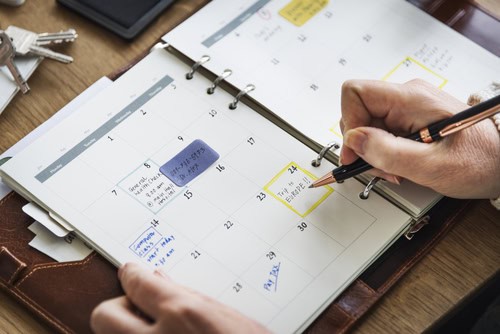
Your personalized daily care plan should include the following:
- The older person’s medical information.
- A list of medications and dosages. A schedule of activities. Emergency contact information, including ambulance service, hospital, and family members.
- Activity cues, such as medications to take at certain times of day or instructions on how to use supplies like a walker or oxygen tank.
- Instructions on what to do if the older person falls. Especially if he or she has fallen before but no longer has any memory of it. If any injuries occur during falls, the medical professionals may need to know this information when they treat the older person after a fall.
- Instructions for guards who may need to be placed in the older person’s lives alone.
An important note about your customized daily care plan:
To be most effective, it should be personalized for each older person. Taking their physical and mental health conditions into account. The information you gather in gathering the information should include details such as how well they remember recent events, their goals and wishes, any concerns they may have, and whether they want privacy or would prefer caregivers needed around them as much as possible.
Ultimately, your personalized daily care plan should include information about what needs to be done to help your elderly friend or relative maintain their overall health and well-being.
How do you follow your personalized daily care plan?

You can follow your personalized daily care plan by using various tools. You could use an app to track your health and medication or record your activities and what needs to be done to maintain your health. Additionally, you can create a plan tailored to your specific needs.
For example, if you have dementia, you might want to include more active behaviors in your daily care plan. Such as going for walks or taking the dog for a walk.
How do you know if your elderly friend or relative improves with your personalized daily care plan?

If the older person has dementia, it’s not always easy to tell if they are improving. However, you can take the latest medical records and information into consideration.
For example, if the older person falls during a fall safety training, you can set a reminder that day to review medical files and make sure there are no new injuries related to falls.
Additionally, suppose the older person has an injury related to falls, such as eating and going to the bathroom. In that case, this information may help medical professionals treat them more effectively.
How do you know if your personalized daily care plan is working?

It’s important to regularly check in with the older person, family members, and friends to determine how well the daily care plan works. For example, suppose an older person has dementia. A significant decline in their ability to attend to tasks or carry out day-to-day activities may suggest that the daily care plan isn’t effectively meeting their needs.
In this case, it may be necessary to make some adjustments.
Additionally, suppose you set a goal of improving your health and well-being, such as learning to cook a new recipe or learning how to play the piano (or any other activity you’re interested in).
In that case, you can regularly gauge your progress by measuring how much you’ve accomplished weekly or monthly. You could also talk to friends, family members, and caregivers about whether they think you’ve made any progress. For example, if you can now play the piano for 15 minutes instead of 5 minutes, this may indicate progress.
A Daily Care Plan For Elderly With Dementia – Conclusion
A daily care plan is a great way for the elderly with dementia to keep their health in check and improve their quality of life. By creating a personalized care plan, you can ensure that your elderly friend or a family member has the best possible chance of long-term success.


