

Understanding Dementia in the Elderly: Signs, Symptoms, and Care
November 27, 2023
The Benefits of Pet Therapy for the Elderly
March 6, 2024Physical Therapy at Home: Tailored Exercises for the Elderly
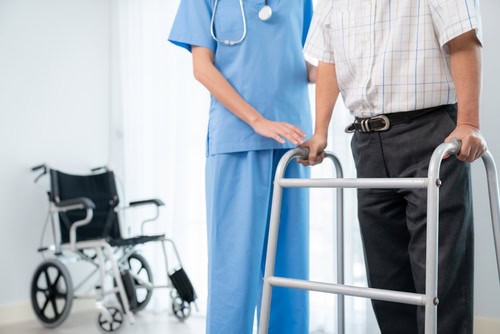
Physical Therapy at Home Tailored Exercises for the Elderly
Physical Therapy at Home: Tailored Exercises for the Elderly. The importance of physical health and mobility, especially in the elderly, cannot be overstated.
As we age, maintaining an active lifestyle becomes increasingly crucial for overall well-being.
This comprehensive article guides effective and safe home-based exercises designed specifically for the elderly. The goal is to enhance mobility, reduce pain, and improve the quality of life through tailored physical therapy.
Table of Contents
The Benefits of Physical Therapy for the Elderly
Regular participation in tailored exercises can lead to improved mobility and flexibility, essential for performing daily tasks independently.
It plays a significant role in pain management, particularly for chronic conditions prevalent in aging, such as arthritis and osteoporosis.
Furthermore, engaging in physical therapy can significantly enhance mental well-being, reduce the risk of falls, and foster a sense of independence and self-efficacy.
Safety Precautions and Consultation
Before embarking on any exercise program, the elderly needs to prioritize safety.
Consulting with healthcare professionals, such as doctors or physical therapists, is crucial to tailor the exercise program to individual health conditions and capabilities.
This step ensures that the exercises are both effective and safe, minimizing the risk of injury.
Tailored Exercise Programs
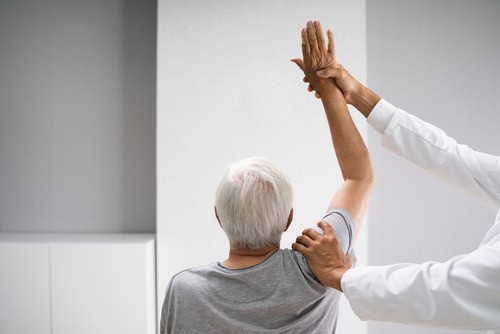
Exercise programs for the elderly should be customized to address specific health concerns:
- Mobility and Flexibility: Simple stretching exercises, tai chi, or gentle yoga can enhance joint health and flexibility.
- Strength Training: Light resistance exercises using bands or light weights can help maintain muscle mass and support bone health.
- Balance and Coordination: Balance exercises like standing on one leg, walking heel-to-toe, or chair-assisted exercises can prevent falls.
- Cardiovascular Health: Low-impact activities like walking, swimming, or stationary cycling are beneficial for heart health.
- Cognitive Function: Activities that require coordination and planning, such as dance or certain games, can also support cognitive health.
Warm-Up and Cool-Down
Integrating proper warm-up and cool-down routines in the exercise program is essential.
A warm-up may include light walking, gentle stretching, or mobility exercises to prepare the body for more strenuous activity.
The cool-down phase, which could involve slower movements and deeper stretches, helps the body to gradually return to its resting state and is critical in preventing muscle soreness and stiffness.
Using Household Items
Innovative use of household items can enhance the exercise experience:
- Chairs: For seated exercises or as support for standing stability exercises.
- Steps: For step-ups or low-impact cardio.
- Towels or Small Balls: For grip strength and dexterity exercises.
- Cushions or Pillows: For balance and coordination activities.
Exercise Progression
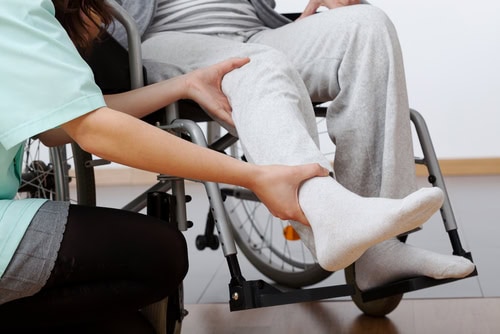
Progression in exercises should be gradual and based on individual ability.
Starting with simple, low-intensity exercises and progressively increasing the challenge is key to building endurance and strength safely.
Regular assessment of capabilities and adjusting the exercise plan accordingly is important for continued improvement.
Monitoring Progress
Tracking exercise routines and progress helps in maintaining motivation and provides a sense of achievement.
This can be done through exercise logs, tracking performance improvements, or simply noting how daily activities become easier over time.
Staying Hydrated and Nutrition
Hydration and nutrition are fundamental to any exercise regimen. Elderly individuals should focus on drinking sufficient water, especially before and after exercising.
A balanced diet rich in essential nutrients supports the body’s ability to participate in and recover from physical activity.
Including a variety of fruits, vegetables, lean proteins, and whole grains in daily meals can provide the necessary energy and nutrients.
Seeking Professional Guidance
Professional guidance in developing and monitoring an exercise program can be invaluable.
Physical therapists can offer personalized advice and adjustments to the exercise routine, ensuring maximum benefit while reducing the risk of injury.
They can also provide insights on how to incorporate physical therapy into daily routines seamlessly.
Motivation and Consistency
Motivation is a key factor in maintaining a regular exercise routine. Encourage the elderly to set achievable goals and celebrate their achievements, no matter how small.
Having a workout buddy or participating in group classes can boost motivation. Stress the importance of consistency; even short, daily sessions can yield significant benefits over time.
Social and Emotional Well-being
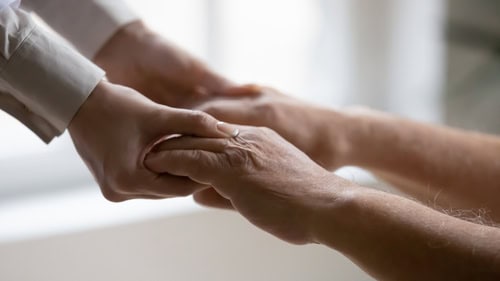
Physical therapy not only contributes to physical health but also plays a vital role in social and emotional well-being.
Engaging in group exercises or classes can provide opportunities for social interaction and combat feelings of isolation.
Physical activity can improve mood and reduce symptoms of depression and anxiety.
Overcoming Challenges
These challenges can include physical limitations, lack of motivation, or discomfort. Provide strategies for overcoming these challenges, such as seeking support from family or caregivers and adapting exercises to individual abilities.
Technology and Home Workouts
Incorporating technology can make home-based physical therapy more engaging. Mention the availability of exercise apps and online videos designed specifically for the elderly. These resources can provide guided workouts and tracking tools to monitor progress.
Supportive Environment
Creating a supportive environment at home is crucial for successful physical therapy. Encourage the elderly to designate a space for exercise and ensure it is well-lit and free from hazards.
Family members and caregivers can play a role in providing encouragement and assistance when needed.
Celebrating Achievements
Elderly individuals should acknowledge their progress and take pride in their commitment to physical health. Celebrations can serve as additional motivation to continue with the exercise routine.
The Role of Caregivers
Recognize the role of caregivers in supporting the elderly in their physical therapy efforts.
Caregivers can assist with exercise routines, provide emotional support, and ensure that safety precautions are in place. Encourage open communication between caregivers and elderly individuals to address any concerns or challenges.
Community Resources
Local senior centers, community centers, and healthcare facilities may offer exercise classes tailored to older adults. These resources can provide additional opportunities for social interaction and support.
Physical Therapy at Home: Tailored Exercises for the Elderly – Conclusion
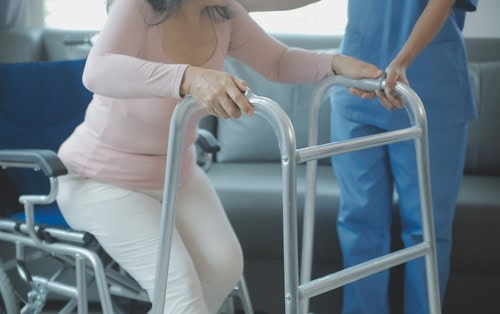
In conclusion, physical therapy at home is a powerful tool for enhancing the physical, mental, and emotional well-being of the elderly.
By embracing tailored exercise programs, prioritizing safety, seeking professional guidance when needed, and fostering a supportive environment, elderly individuals can lead more active and fulfilling lives.
The benefits extend beyond physical health, encompassing social connections, emotional resilience, and a sense of achievement.
It’s never too late to start a journey toward better health, and physical therapy at home is a valuable step in that direction.
Are you looking for professional and reliable elderly home care services in Singapore? Contact us today!


