

Mattress Cleaning for Seniors: Improving Comfort and Well-being
October 13, 2023
Physical Therapy at Home: Tailored Exercises for the Elderly
December 28, 2023Understanding Dementia in the Elderly: Signs, Symptoms, and Care

Understanding Dementia in the Elderly Signs, Symptoms, and Care
Understanding Dementia in the Elderly: Signs, Symptoms, and Care. Dementia is more than just a memory decline.
It is a broad term that describes a range of symptoms associated with a decline in cognitive functioning severe enough to interfere with daily life.
While it primarily affects memory, dementia can also impact thinking, problem-solving, and language skills.
It’s important to note that dementia is not a single disease; it’s an overall term – much like heart disease – that covers a wide range of specific medical conditions, including Alzheimer’s disease.
This article aims to elucidate the various aspects of dementia in the elderly. From outlining the different types of dementia and their symptoms to discussing the available care and support, this article serves as a comprehensive guide for those seeking to understand this complex condition.
It also addresses common questions and concerns, providing valuable insights for caregivers, families, and anyone interested in dementia.
Table of Contents
Importance of Understanding Dementia in the Elderly
Understanding dementia, particularly in the elderly, is critical as it impacts not just the individuals suffering from it but also their families and caregivers.
With an aging global population, the prevalence of dementia is increasing, making it a significant public health concern.
Awareness and understanding of dementia can lead to better care, improved quality of life for those affected, and more support for caregivers.
It can also foster a more empathetic society that accommodates and respects the needs of its aging members.
Understanding Dementia

What is Dementia?
Dementia is characterized by a decline in cognitive function beyond what might be expected from normal aging.
It involves the loss of cognitive functioning—thinking, remembering, and reasoning—and behavioral abilities to such an extent that it interferes with a person’s daily life and activities.
These functions include memory, language skills, visual perception, problem-solving, self-management, and focusing and paying attention. Some people with dementia cannot control their emotions, and their personalities may change.
Types of Dementia
- Alzheimer’s Disease: This is the most common type of dementia, accounting for 60-80% of cases. A gradual decline in memory and cognitive functions characterizes it. As it progresses, it severely impacts daily living and independence.
- Vascular Dementia: Often occurring after a stroke, this type involves impairments caused by decreased blood flow to brain parts, affecting decision-making, planning, and judgment.
- Lewy Body Dementia: This type is marked by Lewy bodies – abnormal protein aggregations in the brain. It leads to problems with thinking, movement, behavior, and mood.
- Frontotemporal Dementia: This less common type affects the frontal and temporal lobes of the brain, leading to changes in personality, behavior, and language.
Causes of Dementia in the Elderly
The causes of dementia can be diverse. While age is the strongest known risk factor, genetics also play a significant role.
Other contributing factors include cardiovascular diseases, diabetes, hypertension, and lifestyle factors such as smoking and alcohol use.
Brain injuries and other neurological conditions can also lead to the development of dementia.
According to the World Health Organization, around 50 million people worldwide have dementia, with nearly 10 million new cases every year. Dementia mainly affects older people, but it is not an inevitable consequence of aging.
Signs and Symptoms of Dementia

Early Warning Signs
Early signs include subtle short-term memory changes, difficulty finding the right words, changes in mood, apathy, difficulty completing normal tasks, confusion and disorientation, problems following storylines, a failing sense of direction, and being repetitive.
Cognitive Symptoms
These involve memory loss, difficulty communicating or finding words, problems with visual and spatial abilities, such as getting lost while driving, difficulty reasoning or problem-solving, difficulty handling complex tasks, difficulty with planning and organizing, difficulty with coordination and motor functions, and confusion and disorientation.
Emotional and Behavioral Changes
As dementia progresses, emotional and behavioral changes become more apparent. These may include increased irritability, depression, anxiety, and mood swings.
There might also be personality and social behavior changes, such as becoming more withdrawn or aggressive.
Physical Changes
Physical changes in dementia can include a decline in motor functions, leading to difficulty in coordination and balance.
There may be an increased risk of falls, reduced mobility, and, in later stages, difficulties with swallowing and incontinence.
Diagnosing Dementia
Medical Evaluation Process
Diagnosing dementia involves a comprehensive evaluation, including a thorough medical history, physical examination, laboratory tests, and cognitive testing. This assessment helps in ruling out other conditions that might mimic dementia symptoms.
Role of Neurological Exams
Neurological exams are crucial in the diagnosis of dementia. They can help identify signs of brain disorders affecting cognitive functions. Brain imaging, such as MRI and CT scans, may also be utilized to look for brain changes typical of dementia.
Importance of Early Diagnosis
An early diagnosis of dementia can significantly benefit the management of the condition. It allows for early intervention, which can help slow the progression of symptoms, and provides an opportunity for the patient and family to plan for the future.
The Progression of Dementia

Stages of Dementia
Dementia typically progresses in stages, from mild (early-stage), where the person may still function independently, to severe dementia, where they become completely dependent on others for care.
Changes in Abilities and Functioning
As dementia progresses, there is a gradual decline in cognitive abilities, including memory, reasoning, and communication skills. This affects the person’s ability to perform daily activities, requiring more comprehensive care and support.
Anticipating Future Needs
Understanding the progression of dementia is vital for planning future care needs. This includes considering home modifications, professional care options, and legal and financial planning to support the person’s well-being and quality of life.
Managing Dementia
Medical Treatments
While there is no cure for most types of dementia, certain medications can help manage symptoms. These include cholinesterase inhibitors and memantine, which can help with cognitive symptoms in Alzheimer’s disease.
Non-Medical Interventions
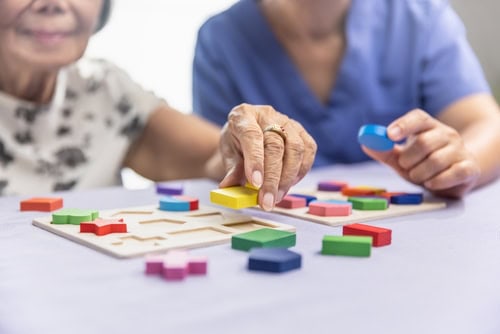
Non-medical interventions, such as cognitive stimulation, social engagement, and structured activities, are crucial in managing dementia. They can help maintain the person’s skills and improve their quality of life.
Role of Diet and Exercise
A healthy diet and regular physical exercise can positively impact people with dementia. These lifestyle changes can help manage other health conditions, improve mood, and maintain physical health.
Cognitive Therapies
Cognitive therapies, such as cognitive stimulation therapy, can help people with dementia maintain their cognitive functions and manage symptoms.
Caring for Elderly with Dementia
Home Care Strategies
Caring for someone with dementia at home involves creating a safe and supportive environment. This includes simplifying tasks and routines, ensuring safety measures around the house, and maintaining a calm and structured atmosphere.
Professional Care Options
As dementia progresses, professional care may become necessary. This can include home health aides, adult day care centers, or residential care facilities specialized in dementia care.
Creating a Safe Environment
Ensuring safety for a person with dementia involves minimizing risks in the home. This includes installing grab bars, removing tripping hazards, and using safety devices to prevent wandering.
Coping with Behavioral Challenges
Dealing with behavioral challenges requires patience and understanding. Techniques such as redirection, maintaining a routine, and providing calming activities can be effective.
Support for Caregivers
Emotional and Physical Challenges
Caregivers of people with dementia often face significant emotional and physical challenges. They need to look after their own health while providing care.
Support Groups and Resources
Support groups, counseling, and community resources can provide much-needed emotional support and practical advice for caregivers.
Respite Care Options
Respite care offers caregivers a temporary break, essential for their well-being. This can be provided at home or in a care facility.
Maintaining Personal Health
Caregivers should prioritize their health by maintaining a balanced diet, exercising regularly, and seeking medical attention when needed.
Frequently Asked Questions

What are the first signs of dementia?
The first signs often include forgetfulness, difficulty with finding words, and subtle changes in mood and behavior.
How is dementia different from normal aging?
Dementia involves a decline in cognitive function that is more severe than what would be expected from normal aging. It significantly impacts daily life and activities.
Can dementia be prevented or cured?
Currently, there is no known cure for most types of dementia. However, certain lifestyle choices can reduce the risk, such as maintaining good cardiovascular health, staying mentally and socially active, and following a healthy diet.
What support is available for caregivers?
Support includes community resources, support groups, respite care services, and counseling, which can help caregivers manage their challenges.
How do you communicate effectively with someone who has dementia?
Effective communication involves speaking clearly and calmly, using simple words and sentences, being patient, and using non-verbal cues to aid understanding.
Understanding Dementia in the Elderly: Signs, Symptoms, and Care – Conclusion

This article has covered the various aspects of dementia, including its types, symptoms, management, and care for those affected and their caregivers.
Compassionate care for individuals with dementia is crucial. It involves understanding, patience, and respecting their dignity and independence as much as possible.
Continued education about dementia and support for those affected and their caregivers is essential for improving quality of life and fostering a supportive community.
Are you seeking professional and reliable elderly home care services in Singapore? Contact us today!


